Speech
Speech is how a child makes and uses sounds to talk. Speech includes articulation, phonology, motor planning and intelligibility. Clear speech helps children be understood and communicate with confidence.
Articulation
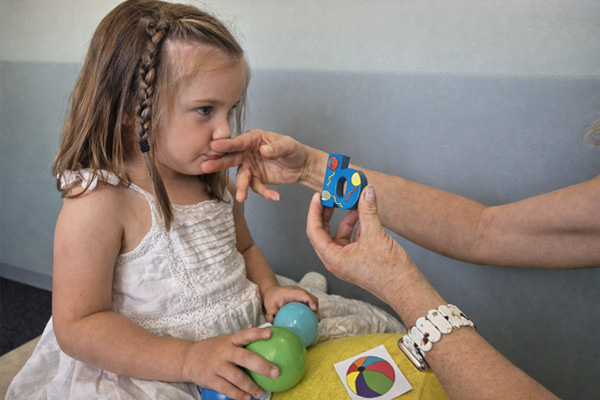
How individual sounds are physically made, such as a lisp or difficulty with sounds like /r/, /k/ or /th/.
Phonology
How sounds are learned and used in words. Children may use sound patterns, for example saying “tar” instead of “car”.
Motor Planning
The brain’s ability to plan and sequence speech movements. Children may know what they want to say but struggle to coordinate mouth movements.
Intelligibility
How easy a child’s speech is to understand. Difficulties in any of the above areas can reduce speech clarity.
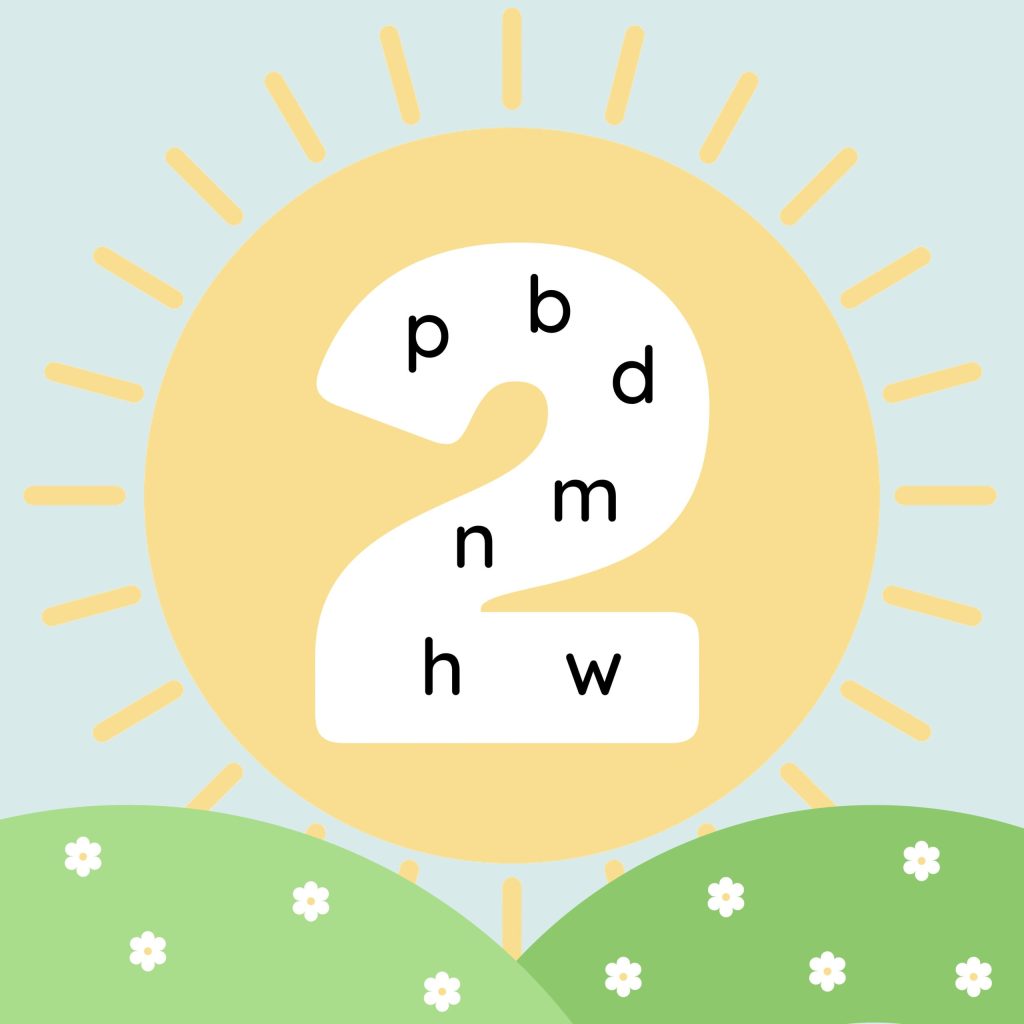
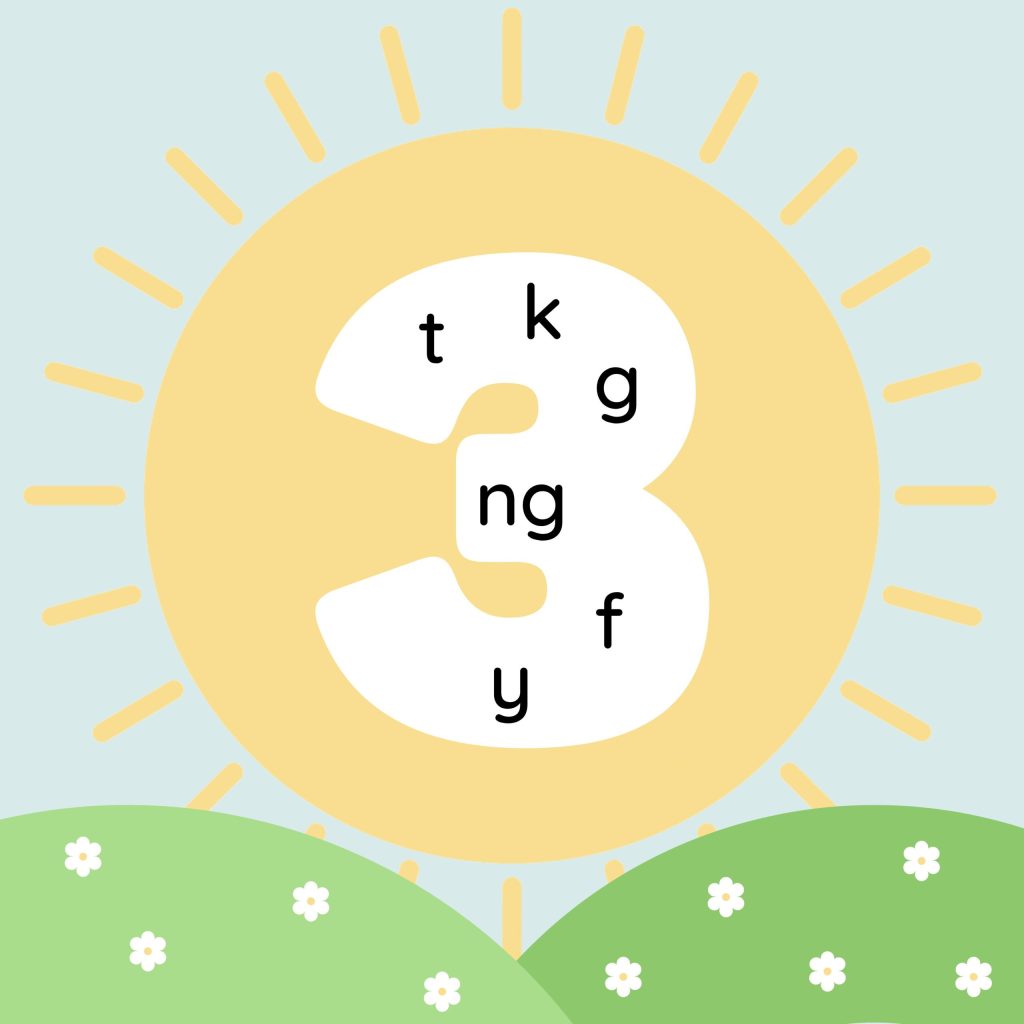
Speech sounds develop gradually, and not all sounds are expected at the same age.
Speech Assessment
A speech assessment is child-friendly and engaging. It may include:
- Listening to speech in words and sentences.
- Checking speech sound patterns and consistency.
- Assessing how clear a child’s speech is.
- Observing mouth movements and coordination.
- Using play, pictures, games and conversation.
The assessment identifies the areas affecting speech and guides clear, individualised therapy goals.
Speech Therapy
Speech therapy is tailored to each child and delivered in a supportive, play-based way. Therapy may:
- Teach correct production of speech sounds.
- Help children learn and use accurate sound patterns.
- Support motor planning through structured practice.
- Improve overall speech clarity and confidence.
Families are given practical strategies to support progress at home and in everyday routines.
See below the ages of typical speech sound development.
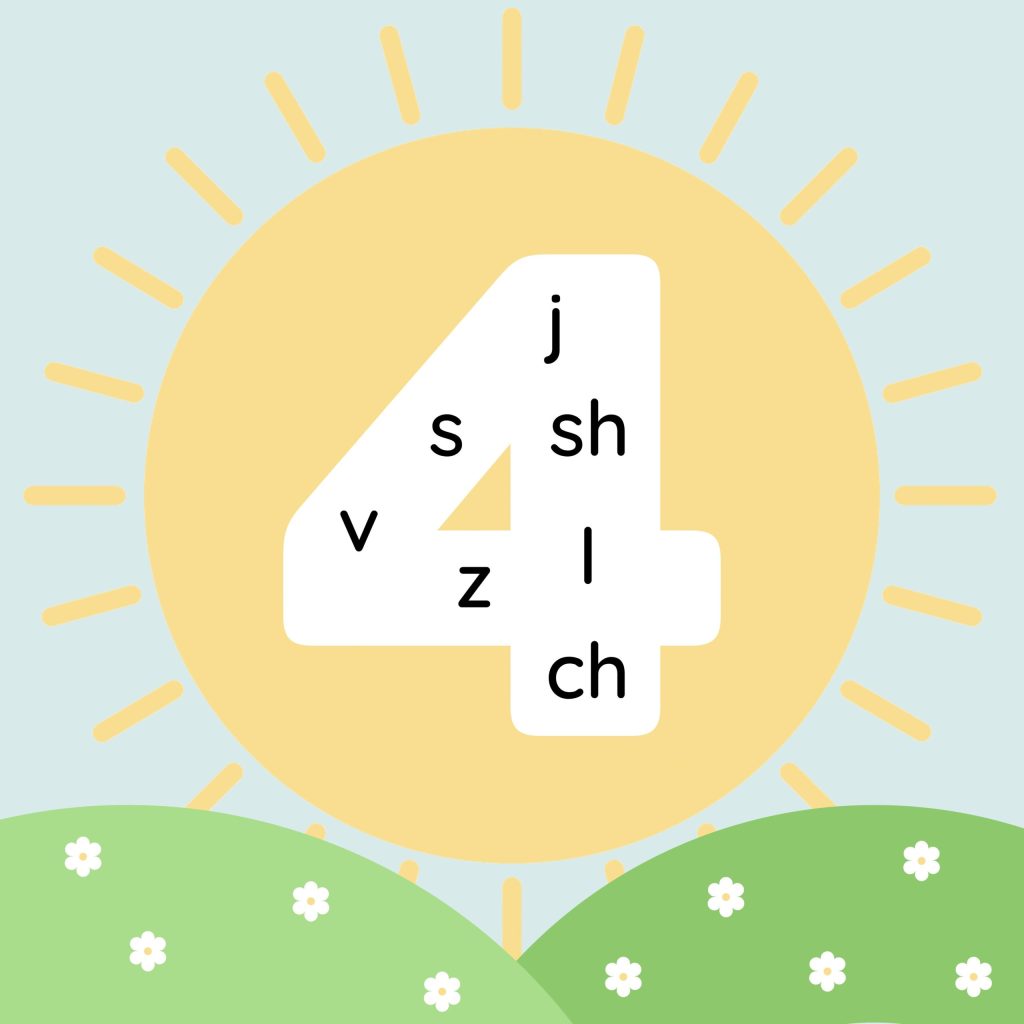
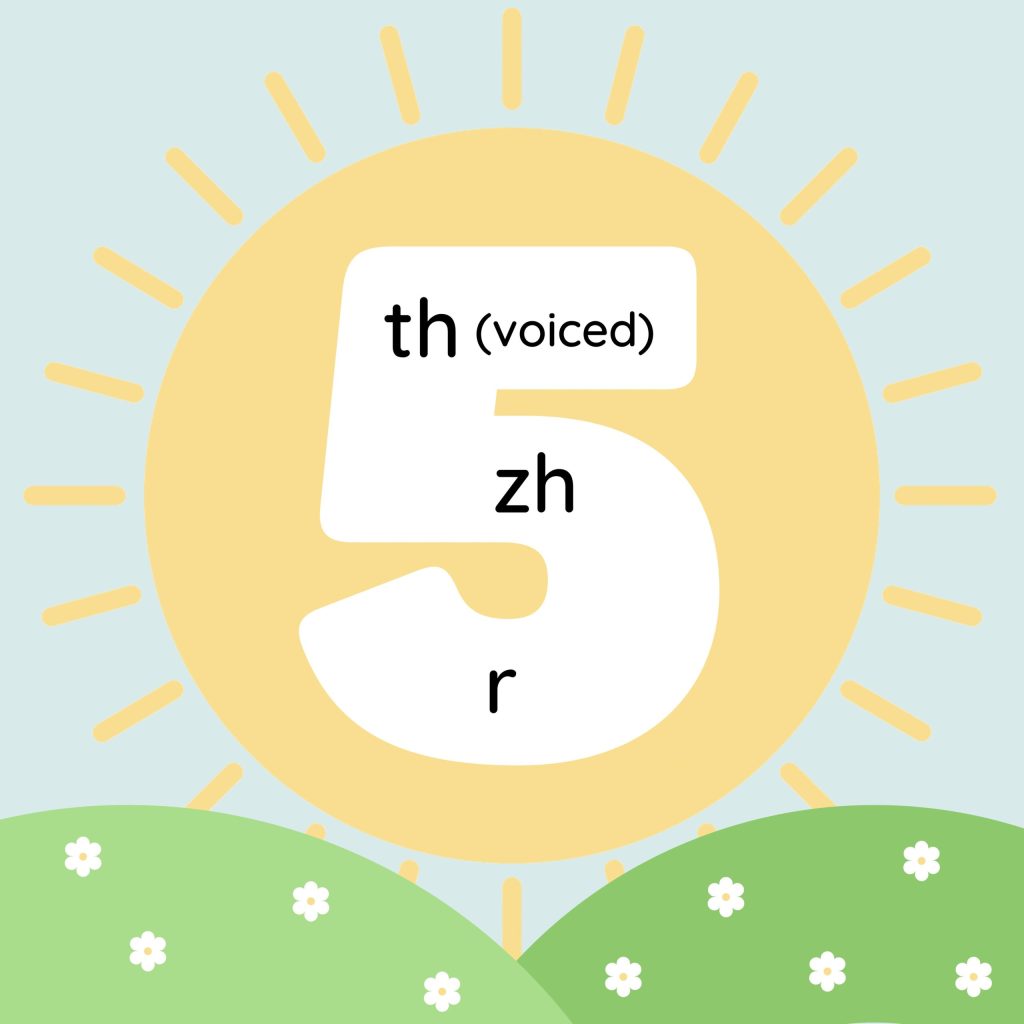
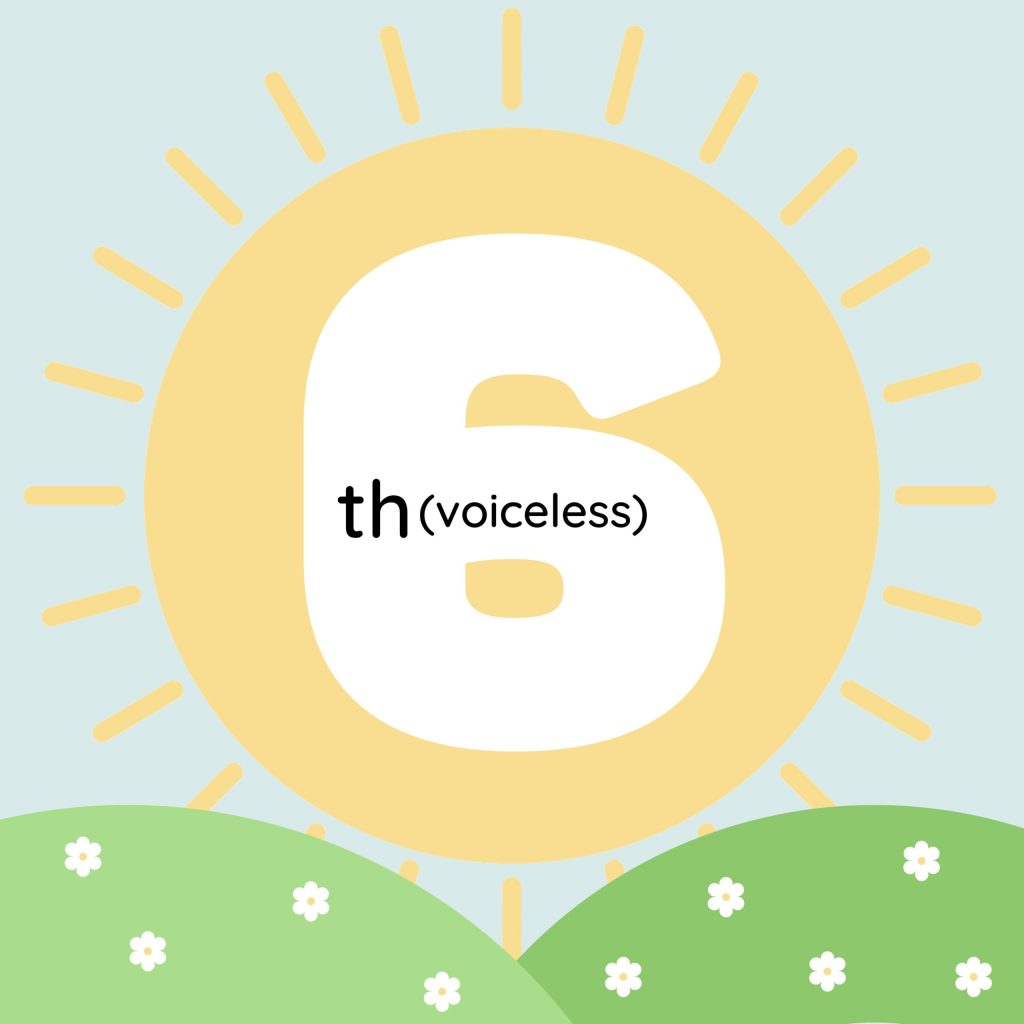
For information on speech development milestones visit:
- The Speech Sounds (Articulation) Development Chart on the Kid Sense Website
- The Speech Sound Development 0-3 Years page on the Speech Pathology Australia Website
- The Speech Sound Development 4+ Years page on the Speech Pathology Australia Website: